
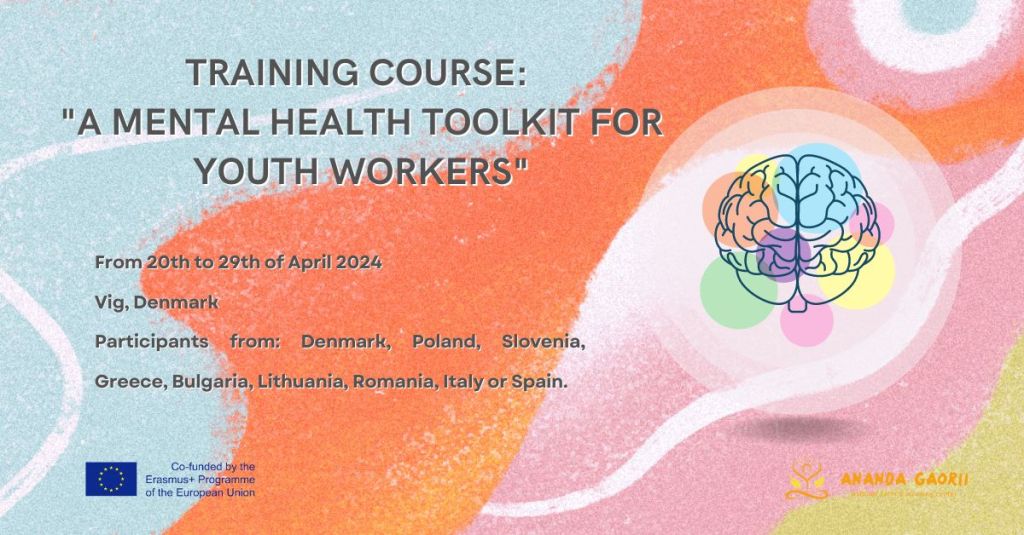
In the serene surroundings of Ananda Gaorii, youth workers from Denmark, Poland, Greece, Bulgaria, Lithuania, Slovenia, Spain, Italy and Romania gathered for an Erasmus+ training course, “A Mental Health Toolkit for Youth Workers.” This intensive, yet uplifting event ran from April 20th to 29th, 2024, and aimed to equip participants with essential skills to support youth mental health, both preventively and during crises.

Understanding the Need
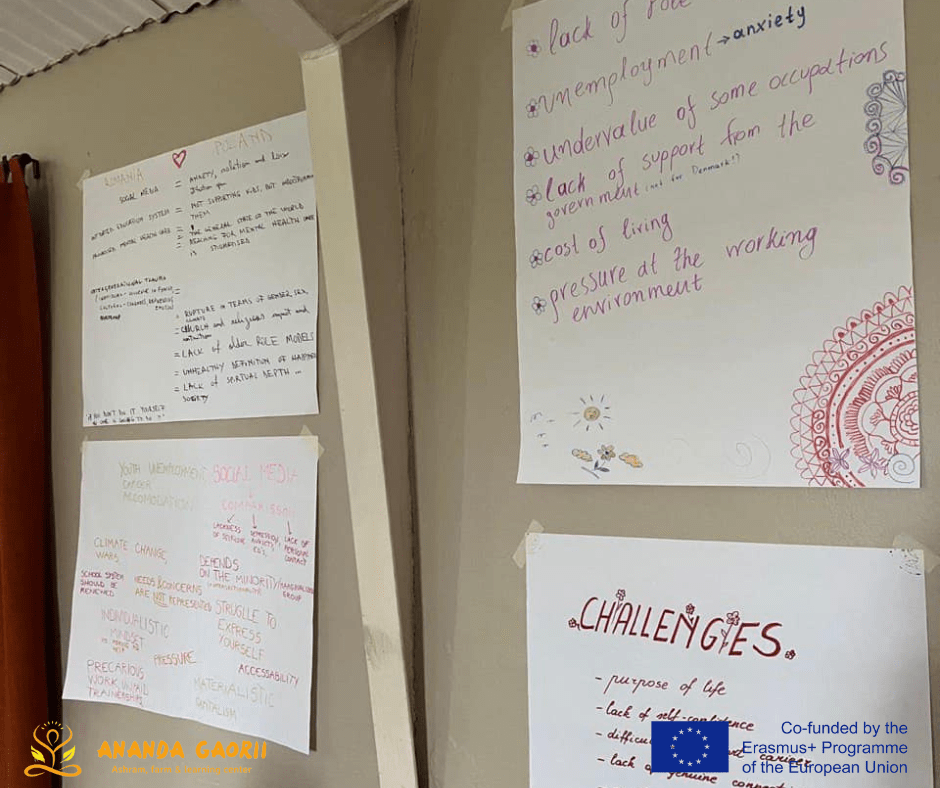
Today’s youth face a myriad of mental health challenges, driven by societal pressures, environmental concerns, and the rapid pace of technological change. Youth workers are often on the front lines, encountering these issues directly. This training course provided a comprehensive toolkit to help youth workers navigate these complexities and promote positive mental health practices among the young people they support.

The Course Structure
Holistic Integration
The course embraced a holistic approach, intertwining various methodologies including:
- Mental Health First Aid: Providing initial support and understanding signs of mental distress.
- Cognitive Behavioural Therapy (CBT): Teaching techniques to identify and alter negative thought patterns.
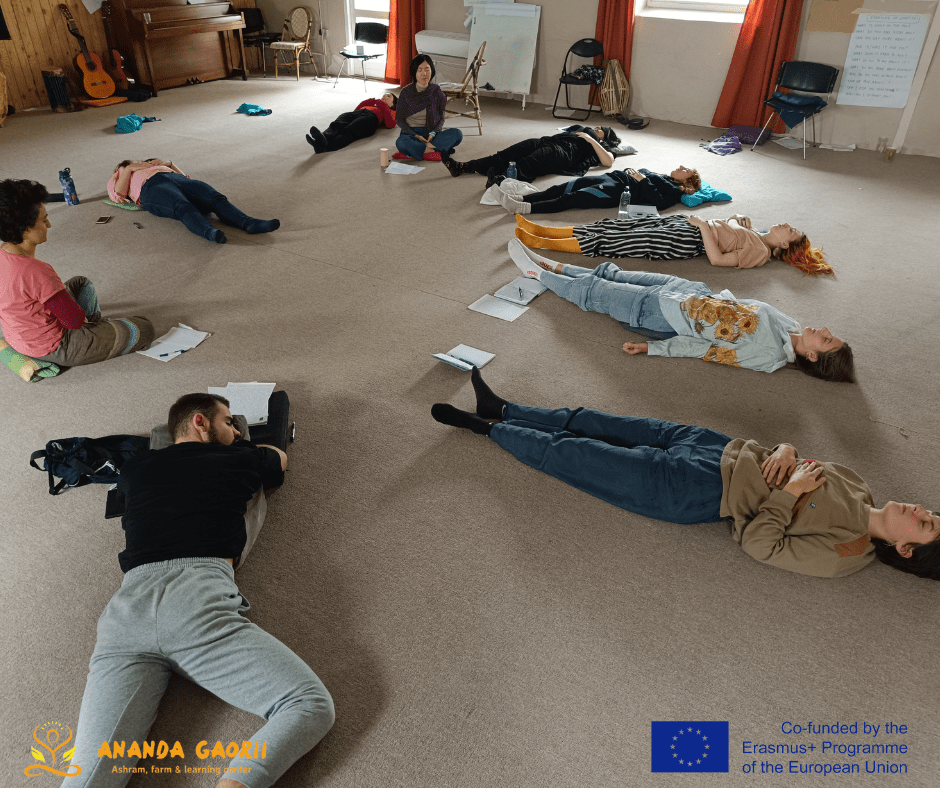
- Yoga and Meditation: Enhancing physical well-being and mindfulness to manage stress.
- Mindfulness Practices: Encouraging presence and emotional regulation through focused attention and breathing exercises.
Participants were introduced to these tools to build a well-rounded mental health support system, incorporating physical, psychological, and social elements.
Addressing Societal and Environmental Factors
Acknowledging that mental health issues often stem from broader societal and environmental factors, the training explored a nature-based worldview. Engaging with nature, meaningful activities, and strong community support networks were highlighted as antidotes to the stress and isolation many young people face.
The course also underscored the importance of resilience-building personality traits, such as adaptability and a positive outlook, which are crucial for navigating life’s challenges.


Key Competencies and Skills
Participants learned essential competencies to enhance their ability to foster youth well-being and resilience. These included:
- Empathic Listening: Developing deeper connections through understanding and validation of youths’ experiences.
- Cognitive Regulation: Techniques to help young people manage their emotions and reactions.
- Non-Violent Communication: Facilitating open, compassionate dialogue to resolve conflicts and build trust.
By cultivating these skills, youth workers are better prepared to intervene in distress situations and support ongoing mental health needs.

Engaging with Nature
Nature played a pivotal role in the training. Sessions were conducted outdoors, encouraging participants to reconnect with the environment. Activities such as nature walks, mindfulness in nature, and environmental art helped participants experience firsthand the calming and restorative effects of the natural world. These experiences reinforced the course’s emphasis on nature as a vital component of mental health and well-being.
Networking and Collaboration
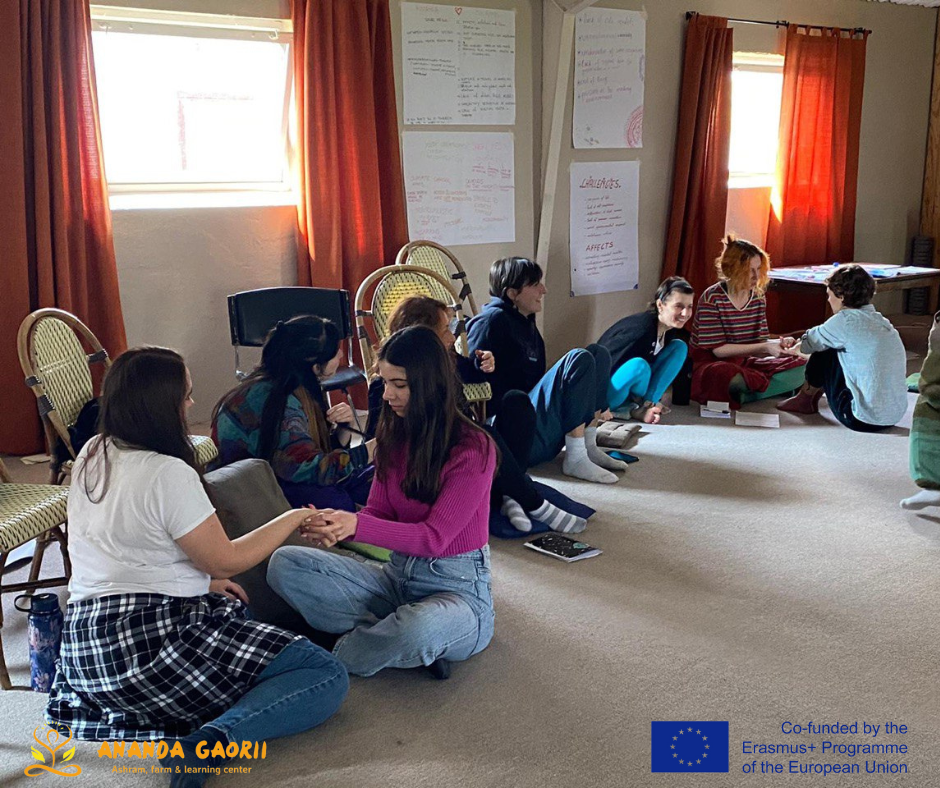
The training course also provided ample opportunities for networking. Participants could share experiences, ideas, and best practices, fostering a sense of community among youth workers. Open space sessions allowed for the planning of future joint projects and collaborations, ensuring that the connections made during the course would extend beyond the event itself.
Methodologies in Focus
The course utilized a variety of non-formal and informal learning methods. This approach included interactive workshops, experiential learning, role-playing scenarios, and reflective discussions. These methodologies were designed to:
- Prevent Mental Health Issues: By enhancing youth resilience, building cognitive, social, and emotional skills, and fostering a strong sense of self-identity.
- Intervene in Distress Situations: Through comprehensive intervention strategies, fundamental counseling skills, and the integration of theoretical knowledge from CBT, positive psychology, and mindfulness approaches.


Meet the Trainers
Emilia Ślimko
Prija Barbara Balan

A psychologist and Mindfulness trainer, Emilia brought her expertise in cognitive-behavioural approaches and holistic training methods. With a rich background in environmental education and NGO work, she facilitated sessions on integrating mindfulness and cognitive strategies into youth work.

Prija, a social pedagogue with a passion for social inclusion and empowerment, led sessions on using creative and experiential pedagogy in nature. Her approach emphasized building community and personal resilience through art and nature-based practices.
Didi Ananda Devapriya
Dada Krsnasevananda

Didi’s extensive experience in child protection and education brought a practical perspective to the training. Her work with various international projects and her focus on trauma-informed practices provided valuable insights into supporting young people in crisis.
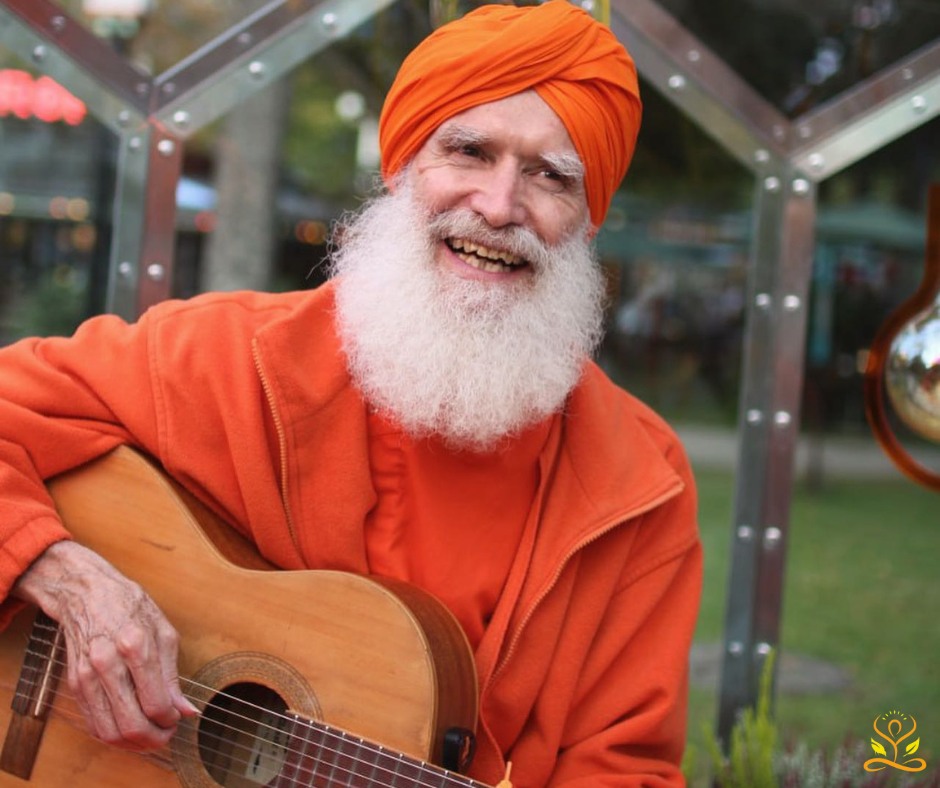
As a meditation teacher and lifetime monk, Dada offered insights into the Eastern philosophies of mental health. His guided meditations and experiential exercises helped participants explore mindfulness and discover an integrated, holistic approach to well-being.
Reviews
Claudia
@EUROPALMENTE (Italy)
22nd of April:
- we started the day talking about our feelings and experience so far in small groups. We felt safe to express ourselves.
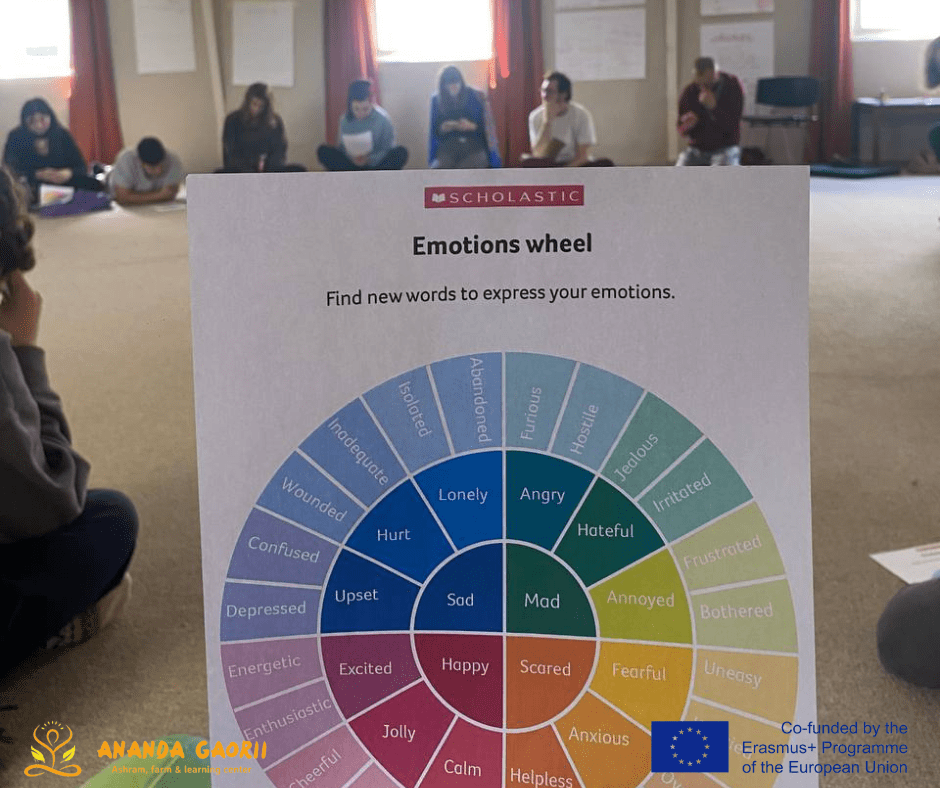
- we learned about the connection between emotions and how we experience them in our body. Learning about the wheel of emotions was very useful because we reflected on the 4 basic emotions and how complex feelings can be decomposed into them.
- we learned the basics of non violent comunication and practised how to be empathetic listeners.
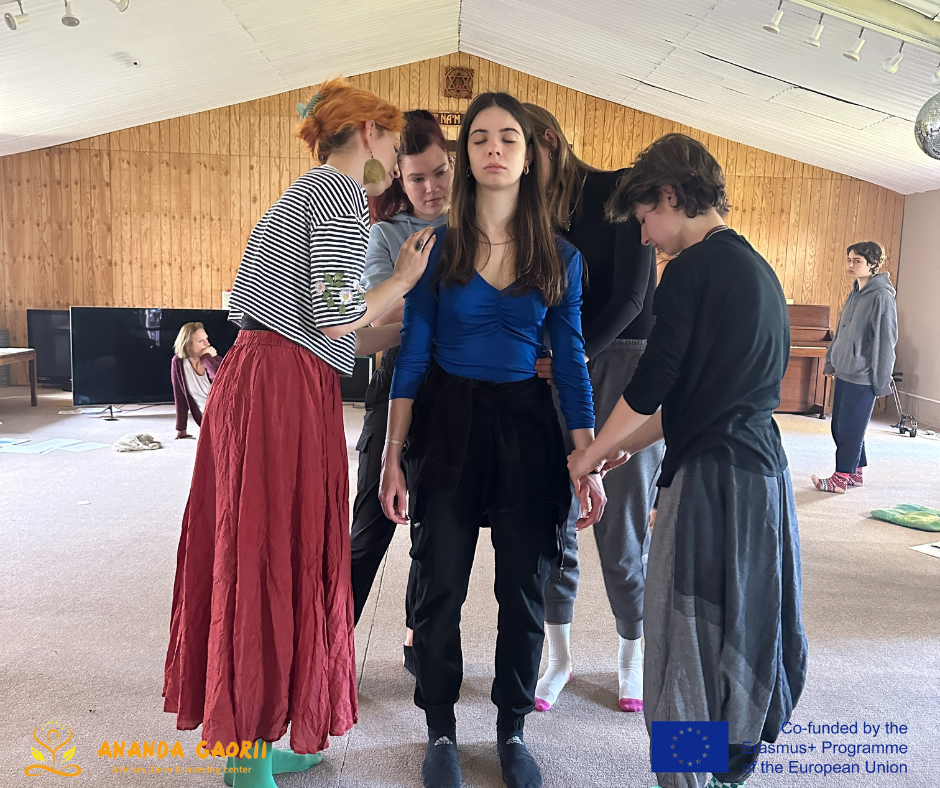
- we learned new deep breathing techniques with Didi and how to transfer them to people that suffer from anxiety, trauma or PTSD. The session was very practical and inspirational
- we enjoyed the meditation dance with Dada because it was an interesting way to meditate and it was new to many participants.
- everyone enjoys the homemade bread and cake ❤️
- we also loved the tour around the property. Ketumála did a great job and the greenhouses where the vegetables are cultivated look amazing 🌱✨
Gaja
@Drustvo Nega Zemlje in Duha (Slovenia)
25th of April:
Highlights of the day:
- We let ourselves be guided and guide others
- We danced around the room to boost our energy
- We were saying good things we see in others (because when you are hearing good things from the others, it makes you feel better)
- We touched a very delicate topic of mental health disorders & afterwards sat in the circle and started to share how we really felt
- We finished the day with teaching yoga and finding our chakras
Simone
@EUROPALMENTE (Italy)
24th of April:
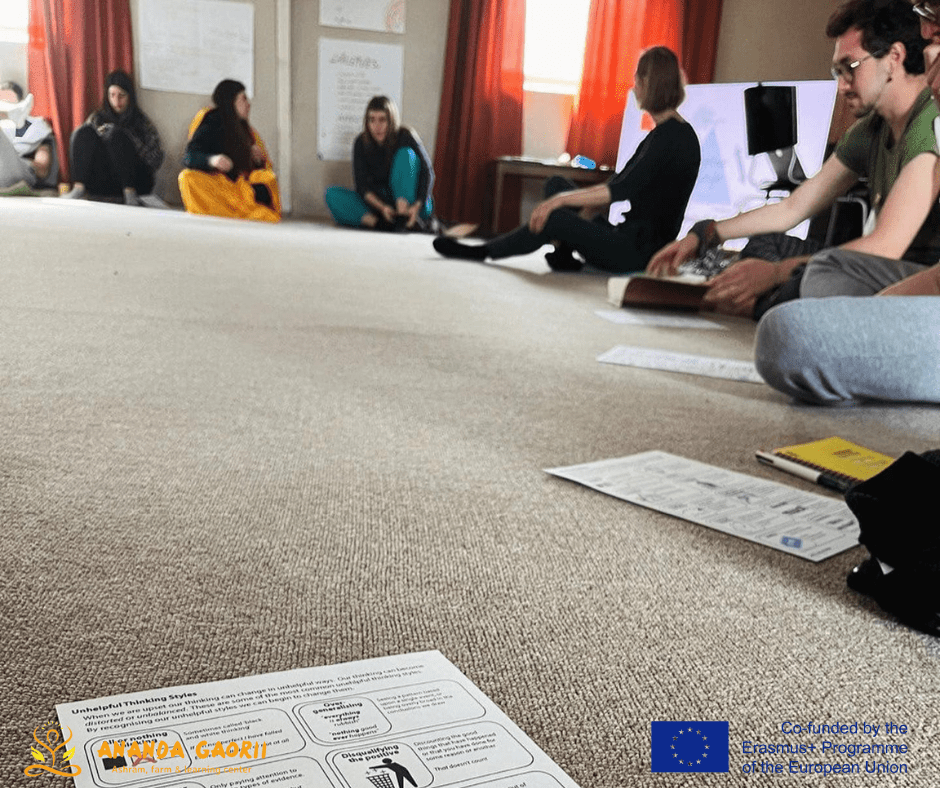
Our third day started with an early morning yoga practice, during which we connected to our third chakra, manipura. We continued with a meditation session and kiirtan, the singing and feeling of community giving us energy and connecting us to each other and ourselves, later expanding how we see ourselves further, connecting to the idea of being more than just a person, being awareness, being love. Later on we reflected and in smaller groups and practiced facilitating to each other the expression of our emotions, as well as learned about unhelpful thought patterns. In the afternoon our focus shifted towards connecting to how we experience our emotions in the body, to the feeling of being supported by the earth below us and by each other as part of experiential exercises. The afternoon yoga session focused on practices that are helpful for men and for women in the shape of dances. The meditation incorporated feeling compassion for ourselves and connecting to the idea of a shared experience, the idea that our struggles are not a solitary experience but one a lot of us have. We closed the idea with a mid-project evaluation, giving room for how we are all feeling and what would we benefit from further on.
Hasmig
@AMURTEL Romania
26th of April:
The day started bright and early at 6am with yoga and meditation exercises.
Later after refreshing breakfast of oats porridge with fruits shared over hushed conversations between newly found acquaintances, some exercises were proposed to break out of our comfort zone and to get to know each other better.
Sharing fun secret handshakes among strangers quickly eroded the shyness and brought out the sillier, more genuine sides of everyone. The exercises didn’t end by just goofing off, we also expressed more vulnerable sides as well.
Very appreciated and powerful, a strong begining was the sharing of fears. The following exercise involving dancing and changing the pieces of paper warmed us up and put us in a very good mood, especially considering the heavy topic.
The meditation session with Dada was voted as the highlight of the day. We taped into focusig on what we want to attract and to become.
Today, the Polish team enjoyed maximum the food, as a Polish soup was served for dinner.
The food itself is highly appreaciated by the group and there is plenty of deliciousness.
Today, we got to enjoy a beautiful sky in the sunset, this was pined as a highlight of the day as well.
Conclusion
The “Mental Health Toolkit for Youth Workers” training course was a transformative experience, equipping participants with the skills and knowledge to promote positive mental health among youth. By integrating a holistic approach, addressing societal and environmental factors, and fostering collaboration, the course laid a strong foundation for the future of youth mental health support.
Participants left the course not only with new tools and techniques but also with a renewed sense of purpose and connection to their work and the natural world. This training marks a significant step forward in the ongoing effort to support the mental well-being of young people and the dedicated youth workers who serve them.
 Mental Health Toolkit
Leave a comment