
As youth workers, we have the opportunity to make a significant impact on the mental health and well-being of young people. By focusing on developing personal skills, integrating social and emotional learning, creating safe spaces, engaging in community work, improving access to mental health resources, and fostering supportive environments, we can support young people in navigating their challenges and building a strong foundation for their future well-being.
The Importance of Social and Emotional Learning (SEL)
Social and Emotional Learning (SEL) is essential in helping young people understand and manage their emotions, set positive goals, show empathy for others, establish and maintain positive relationships, and make responsible decisions. SEL can be integrated into various activities, from structured lessons to informal interactions. It’s crucial to adopt a holistic approach that includes modeling positive social and emotional behaviours ourselves, facilitating group activities that promote teamwork and empathy, and creating opportunities for young people to reflect on their experiences and feelings.

Creating Safe Spaces for Young People
Creating safe spaces is about more than just physical safety; it also involves fostering an environment where young people feel emotionally secure, valued, and free to express themselves. This can be achieved through a range of approaches:
- Physical Environment: Ensure that the spaces where young people gather are welcoming, inclusive, and free from hazards. Decorate with positive imagery and provide comfortable seating.
- Emotional Environment: Establish clear guidelines for respectful behaviour and confidentiality. Be approachable and available for private conversations. Validate their feelings and experiences.
- Programming: Design activities that encourage inclusivity and participation, respecting diverse backgrounds and perspectives. Provide consistent routines and structures that help young people feel grounded and safe.

Strategies to Foster Supportive Environments and Individual Resilience
Building resilience in young people involves equipping them with the ability to bounce back from challenges and adapt to change. Strategies to foster supportive environments and individual resilience include:
- Mentorship Programs: Connect young people with mentors who can provide guidance, support, and positive role modeling.
- Resilience-Building Activities: Incorporate activities that promote resilience, such as goal-setting exercises, problem-solving challenges, and opportunities to reflect on and learn from past experiences.
- Encouraging Self-Care: Teach and encourage self-care practices, such as physical activity, healthy eating, adequate sleep, and relaxation techniques.
Community Work: Support, Connectedness, and Action
Community involvement is vital for the mental health of young people. As youth workers, we can facilitate connections between young people and their communities, fostering a sense of belonging and support. This can be done through:
- Community Projects: Engage young people in local projects that allow them to contribute positively to their community. This can build their sense of purpose and connectedness.
- Support Networks: Create or connect young people to support networks where they can share experiences and find guidance from peers and mentors.
- Advocacy and Action: Empower young people to identify and address issues within their communities. Provide platforms for them to voice their concerns and take collective action.
Improving Access to Mental Health Promotion and Prevention Strategies
Youth workers can play a crucial role in improving access to mental health resources by:
- Education: Providing information and resources about mental health, including signs and symptoms of mental health issues, available support services, and self-care strategies.
- Partnerships: Collaborating with schools, healthcare providers, and community organizations to create a network of support for young people.
- Workshops and Training: Organizing workshops that teach coping mechanisms, stress management, and mindfulness techniques.

Identifying and acknowledging unhelpful thinking habits can help individuals better manage distressing situations by challenging and distancing themselves from these thoughts. This can ultimately lead to a more helpful perspective on the situation.

Compassion fatigue was initially associated with mental health therapists dealing with traumatized clients, but it is now recognized that other professionals, such as medical practitioners and educators, also experience this phenomenon.

Doing What Matters in Times of Stress is a WHO stress management guide for coping with adversity. This illustrated guide supports implementation of WHO’s recommendation for stress management.

Our children’s mental health is vital for their future success, but many lack access to proper treatment, resulting in societal costs such as educational failure and healthcare expenses. Early intervention, including recognition and openness within schools, is crucial. The report outlines solutions that could positively impact children’s lives and contribute to a happier world.
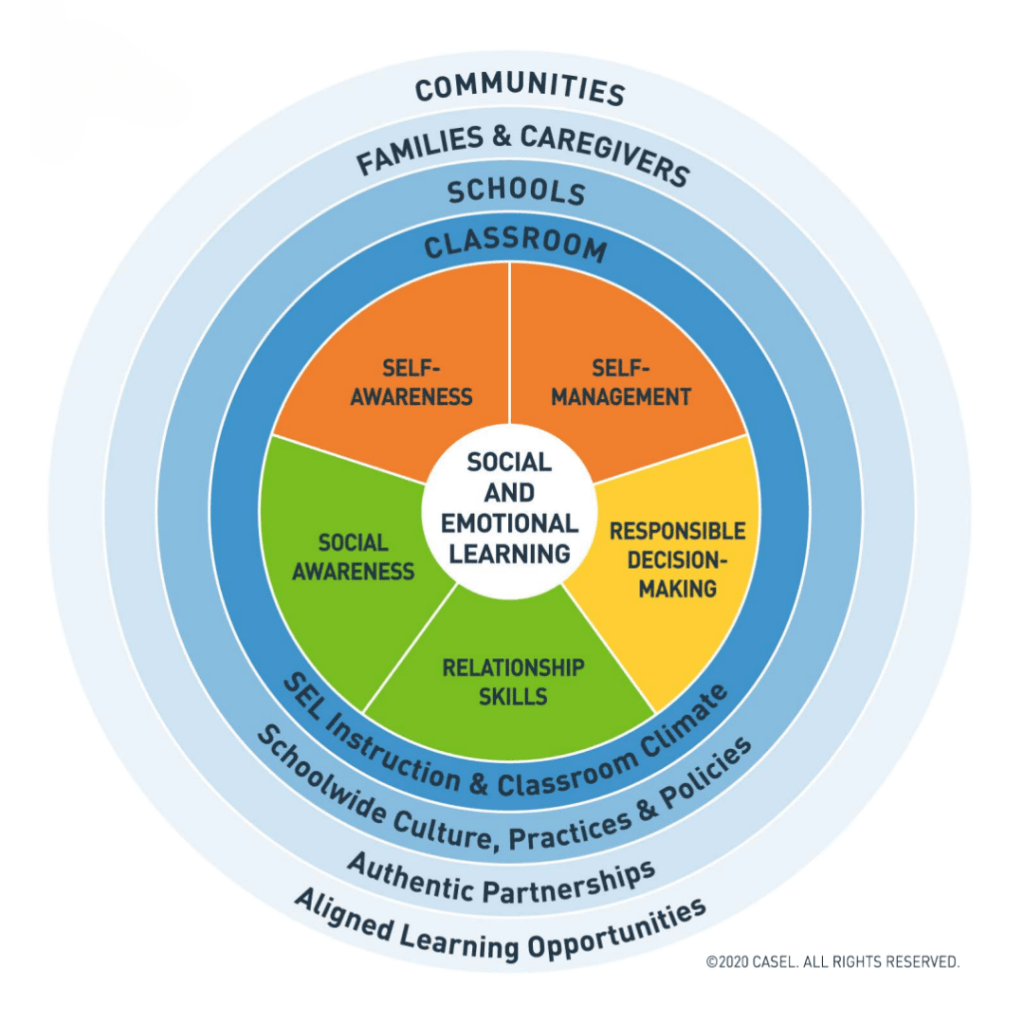
Social and emotional learning (SEL) is crucial for education and human development. It involves acquiring and applying knowledge, skills, and attitudes to develop healthy identities, manage emotions, achieve goals, show empathy, build supportive relationships, and make responsible decisions.
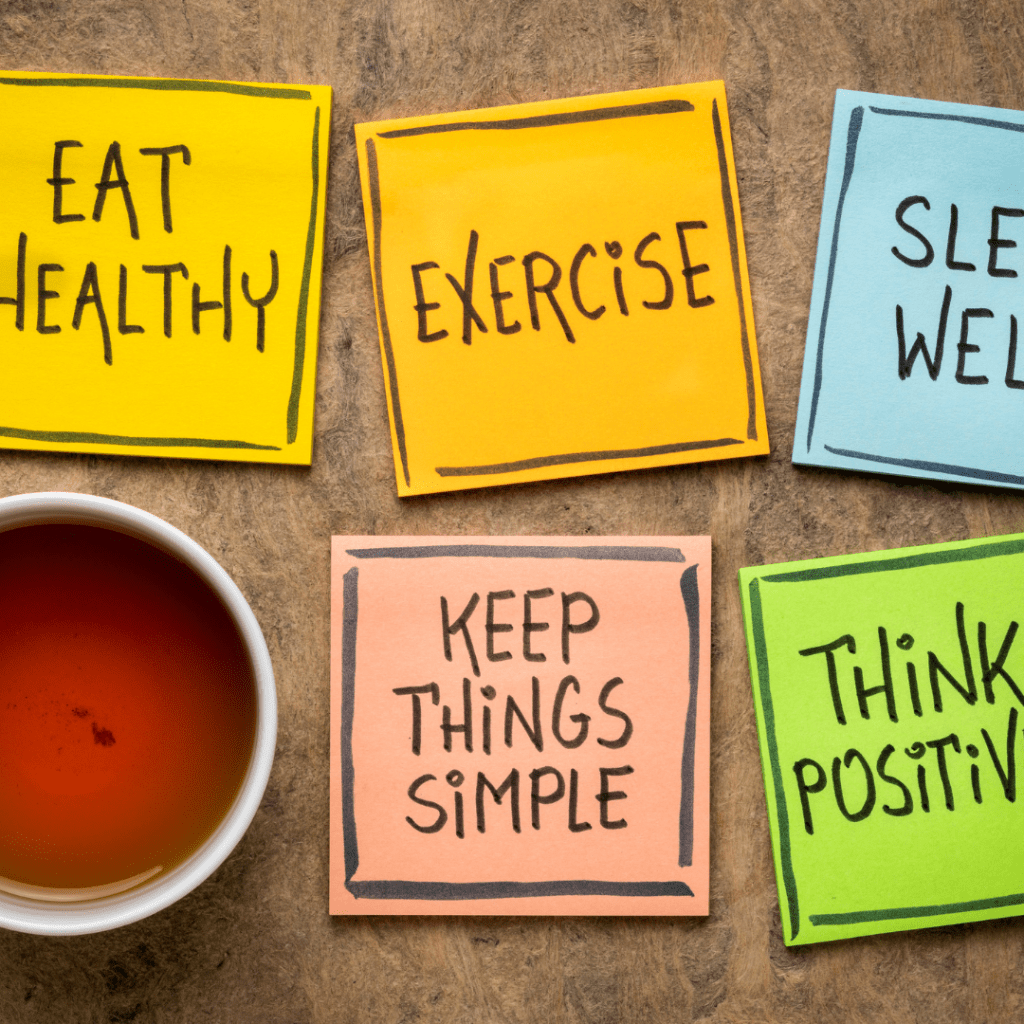
To improve mental health and well-being, it’s important to create a connected system of components in your life. You can achieve this by reflecting on actions you already take in each area, and considering what else you could incorporate. By visualizing and committing to daily steps for your mental well-being, you can build your own personalized ecosystem.

Resilient people seem to bounce back after a crisis. They protect and promote their mental health and learn how to manage stressors. Some would say it is the “fine art of being able to bungee jump through life”.

Burnout can lead to feelings of cynicism and reduced productivity at work. It is a common experience and it’s important not to feel ashamed of it. Recognizing the signs of burnout early on can help prevent it from taking over one’s life.

Between the ages of 11 and 18, children undergo a transition into young adulthood, experiencing physical and emotional changes. It’s crucial for parents to provide support during this transformative period.

“Adulting” can be hard, on some days more than others. Millennials coined this term, and use it to describe the daily tasks and challenges of adult life. Things like paying the bills, keeping the house clean, and keeping a job are all part of being a responsible adult 一 but adulting can be fun and joyful, too.

As children, creativity is a natural and inherent part of our lives. We freely express ourselves through art, imagination, and various activities such as ballet and music lessons.
As people get older, creativity tends to be neglected unless they work in art-related fields. However, research indicates that nurturing creativity is crucial for adult happiness and productivity in both professional and personal spheres.

To improve mental health and well-being, it’s important to create a connected system of components in your life. You can achieve this by reflecting on actions you already take in each area, and considering what else you could incorporate. By visualizing and committing to daily steps for your mental well-being, you can build your own personalized ecosystem.



 Mental Health Toolkit