

Why do you think so many people in our society are depressed or unhappy today?
What do you think is the best cure?
How do you think thousands of years old yogic philosophy can help modern man to deal with something like a mental health crises in our society?
Human beings inherently possess spiritual needs, which are gradually becoming more recognized and acknowledged in society. This recognition is crucial as it taps into the profound aspects of human nature that transcend mere physical existence. Despite this growing awareness, many individuals remain unaware that seeking spirituality is an innate aspect of human nature, essential for achieving a deeper sense of fulfilment and well-being.
The quest for spirituality arises from an internal longing for happiness, friendship, love, trust, dedication, and truth. These elements represent the core of our being, urging us to seek connections and meaning that go beyond the superficial. However, the external world often emphasizes and stimulates lower tendencies of the mind—such as greed, jealousy, and the relentless pursuit of material pleasures. These external pressures lead to dissatisfaction and unhappiness, creating a disconnect between our innate spiritual needs and the societal values we are often encouraged to pursue.
Contemporary society frequently revolves around values such as material success and competitive achievement, which can be considered adversaries to the well-being of the mind. These values can trap individuals in a cycle of endless striving, resulting in emotional exhaustion and spiritual emptiness. As a consequence, depression and other mental health issues have become increasingly prevalent, as people struggle to find authentic sources of joy and contentment.
Humanity finds itself at a pivotal juncture, with an increasing number of people awakening to the idea of finding profound joy within themselves. This awakening suggests a shift in consciousness where the pursuit of inner peace and spiritual fulfillment is becoming more prominent. It is in this context that the role of spirituality in addressing depression becomes particularly significant.
Spirituality, as opposed to purely materialistic pursuits, offers a path to reconnect with our deeper selves. It provides a framework for understanding and addressing the root causes of depression, which often stem from a lack of meaning and purpose in life. Practices such as meditation, mindfulness, and engagement with spiritual communities can foster a sense of connection and belonging, addressing the inner void that material wealth cannot fill.
Incorporating spirituality into mental health care encourages individuals to explore their inner world, fostering a sense of peace and purpose. It acknowledges that true well-being extends beyond the absence of symptoms to include a harmonious relationship with oneself and the universe. By embracing spirituality, we can pave the way for more comprehensive healing, addressing not just the mind but the very essence of human existence.
How Biopsychology Explains Yoga and Meditation: A Simple Guide to Mental Health
Biopsychology, the study of how our biology affects our thoughts and behaviours, is crucial for understanding how Yoga and Meditation can improve mental health. Knowing this connection helps us get the most out of these practices. Without this understanding, we might not benefit as much.
Understanding Subtle Anatomy for Better Mental Health
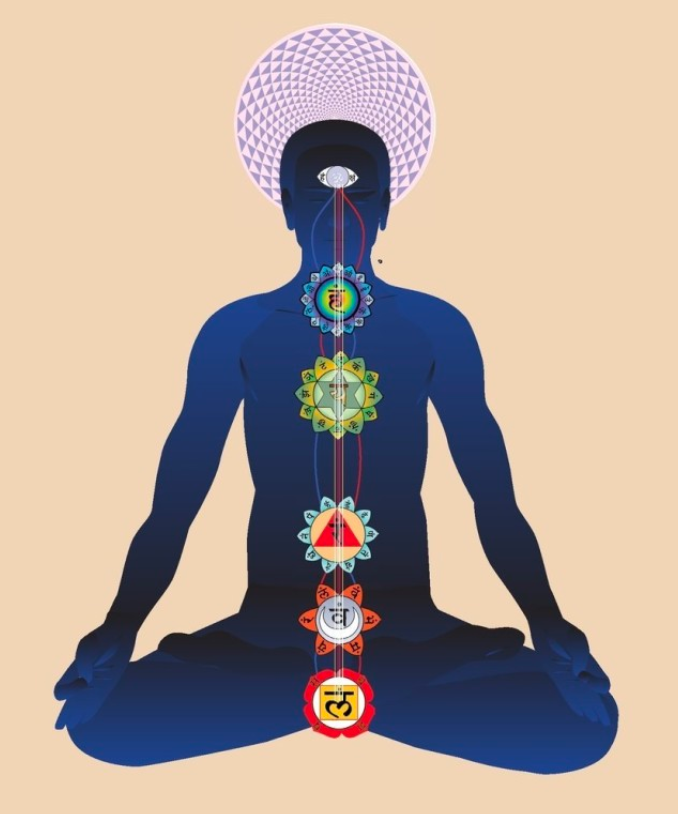
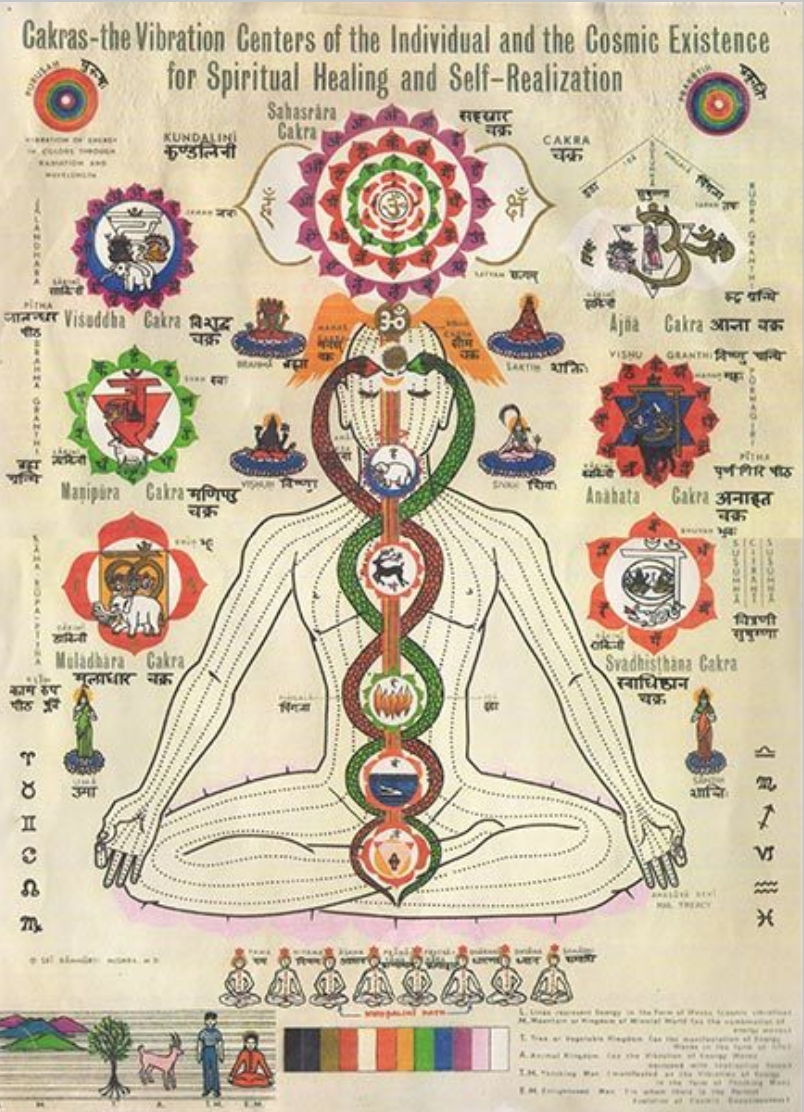
In Yoga and Meditation, subtle anatomy involves parts like chakras, vritties, nadis, and Kundalini. These are not physical parts of the body but are more about how our energy and thoughts move and affect us:
Chakras: Energy Centers
Chakras are energy centers in the body that influence our emotions and thoughts. They act like hubs where different kinds of mental and emotional energies converge. Each chakra can be associated with different psychological and physical aspects. When chakras are balanced, they promote harmony in these areas. When they are blocked or out of balance, it can lead to mental and emotional disturbances.
Vritties: Thought Patterns and Mental Activities
Vritties are our thought patterns and mental activities. They are the various ways our mind moves and reacts to experiences. Petals of the chakras represent vritties or propensities. Each petal’s movement propels the mind toward action, taking it out of equilibrium, which results in internal or external expression. This expression is often seen through the 10 Indriyas (the five senses and five organs of action). Each vritti has a specific vibrational sound that correlates with the Sanskrit alphabet, making mantras a powerful tool in controlling and harmonizing our biopsychology.
Nadis: Channels for Life Energy (Prana)
Nadis are channels through which our life energy, known as prana, flows. There are many nadis, but three main ones are:
- Ida: Associated with the moon, cooling, and calming energy.
- Pingala: Associated with the sun, warming, and energizing.
- Sushumna: The central channel through which Kundalini energy rises.
These channels are crucial for the proper distribution and balance of prana, affecting both mental and physical health.
Kundalini: Dormant Energy for Higher Awareness
Kundalini is a powerful, dormant energy located at the base of the spine in the Muladhara Chakra. Awakening and raising Kundalini through the chakras can lead to higher awareness and spiritual growth. As the chakras are purified and balanced, Kundalini travels up through them, accelerating our journey from basic survival instincts (animality) to higher spiritual consciousness (divinity).
Knowing about these can help us understand why we feel the way we do and how to manage our mental and emotional energy.
Yoga and the Evolution of Human Consciousness
Yoga is a profound practice that guides us through a transformative journey from basic survival instincts to higher levels of consciousness and understanding. This evolutionary process can be understood in two interconnected ways:
Stages of Human Growth

Animality
Characteristics: At this stage, our actions are driven mainly by instinct and base desires.
Effects: This often leads to chaos and suffering, as we react impulsively to our environment and internal urges.
Mental Health Impact: Acting on primal instincts without self-awareness can result in stress and emotional turmoil.

Humanity
Characteristics: As we grow, we develop self-awareness and consideration for others.
Effects: This leads to more balanced emotions and thoughtful actions, as we start to understand and regulate our thoughts and behaviours.
Mental Health Impact: Increased self-awareness and emotional balance promote mental well-being and healthier relationships.

Divinity
Characteristics: At the highest level, we achieve profound peace, wisdom, and freedom from suffering.
Effects: This stage is marked by a deep sense of inner peace and spiritual insight, transcending ordinary human concerns.
Mental Health Impact: Reaching this stage brings a lasting sense of fulfillment and liberation from the typical anxieties of life.
Evolution of the Mind from Crudeness to Refinement

Crude Mind
Description: A crude mind is dominated by chaotic thoughts and impulsive reactions.
Effects: This lack of control leads to stress, confusion, and mental health problems, as the mind is constantly disturbed by uncontrolled emotions and desires.
Mental Health Impact: A crude mind contributes to a cycle of suffering and dissatisfaction, making it difficult to find peace and happiness.

Refined Mind
Description: A refined mind is cultivated through Yoga and Meditation, leading to greater self-control, creativity, and peace.
Effects: With a refined mind, we manage our thoughts and emotions effectively, leading to clarity, calmness, and a more harmonious life.
Mental Health Impact: This refinement helps in achieving emotional stability, reducing stress, and fostering a deeper sense of well-being.
The journey through these stages of human growth and the evolution of the mind is interdependent. As we progress from animality to humanity and ultimately to divinity, our minds simultaneously move from crudeness to refinement. Yoga and Meditation serve as the tools for this transformation:
- Immediate Benefits: Address current mental health challenges by calming the mind and reducing stress.
- Long-term Growth: Facilitate personal development and spiritual evolution, leading to a more fulfilling and enlightened existence.
By understanding and applying these principles, Yoga and Meditation help us not only overcome immediate mental health issues but also guide us towards becoming better, more complete individuals over time. This dual journey enhances our capacity for peace, wisdom, and inner freedom, ultimately transforming our lives from suffering to liberation.
Integrating Biopsychology with Modern Mental Health Practices
Blending the principles of biopsychology with Yoga and Meditation offers a holistic approach to mental health. This integration allows us to harness both the ancient wisdom of these practices and modern scientific insights to improve overall well-being. Here’s how this combination can be effectively applied:
Customized Practices for Individual Needs

Understanding Personal Energy Dynamics:
Tailored Approaches: Biopsychology helps us understand how our individual energy systems operate, including our chakras, vritties (thought patterns), and nadis (energy channels). This knowledge allows for the development of personalized Yoga and Meditation routines that address specific mental and emotional challenges.
Example: If someone experiences anxiety, a customized practice might focus on balancing the solar plexus chakra (Manipura) to enhance self-confidence and reduce stress. For those dealing with depression, practices might target the heart chakra (Anahata) to foster emotional openness and healing.

Adapting Practices for Life Stages:
Life Cycle Considerations: Different stages of life present unique challenges and needs. Biopsychological principles help adapt practices to suit the age, health status, and psychological conditions of individuals, ensuring relevance and effectiveness throughout various life phases.
Example: Younger individuals might benefit from dynamic forms of Yoga to manage energy and focus, while older adults might find more value in restorative Yoga and Meditation to enhance relaxation and mental clarity.
Preventive Measures Against Mental Health Issues
Regular Practice as Prevention:
Maintaining Balance: Regular engagement in Yoga and Meditation helps maintain a balanced flow of energy, reducing the risk of mental health issues before they arise. By keeping the mind and body in harmony, these practices can prevent stress accumulation, emotional disturbances, and psychological disorders.
Example: Incorporating daily Meditation can help manage daily stressors, improve emotional regulation, and foster resilience against potential anxiety or depression.
Building Resilience:
Enhanced Coping Mechanisms: Yoga and Meditation strengthen mental and emotional resilience, making it easier to handle life’s challenges. This preventive aspect supports mental health by providing tools to navigate stress and adversity with greater ease and effectiveness.
Example: Mindfulness practices taught in Meditation can help individuals stay present and calm during stressful situations, reducing the likelihood of stress-related disorders.
Complementing Traditional Mental Health Treatments
Integrative Approach:
Enhancing Efficacy: When used alongside traditional mental health treatments (like psychotherapy or medication), Yoga and Meditation can enhance their effectiveness. This integrative approach leverages the strengths of both conventional therapies and biopsychological practices to achieve better outcomes.
Example: Patients undergoing therapy for PTSD might find that incorporating Meditation techniques helps them process traumatic memories more calmly and effectively, enhancing the overall therapeutic process.
Holistic Healing:
Mind-Body Connection: Yoga and Meditation address the mind-body connection, complementing treatments that primarily focus on the mental aspect. This holistic perspective ensures that emotional, mental, and physical aspects of health are all considered in the healing process.
Example: In treating conditions like chronic pain, combining Yoga’s physical postures with Meditation can reduce pain perception, improve mental outlook, and increase overall quality of life.
Reducing Side Effects:
Managing Medication Effects: Yoga and Meditation can help manage and mitigate the side effects of medications used in treating mental health conditions, such as anxiety or depression, by promoting relaxation and improving overall well-being.
Example: Meditation can reduce the side effects of antidepressants, such as insomnia or fatigue, by helping to calm the nervous system and improve sleep quality.
Implementing Blended Practices
Education and Training:
Professional Guidance: To effectively blend these practices, mental health professionals can receive training in biopsychology and holistic techniques. This training enables them to incorporate Yoga and Meditation into their therapeutic toolkits, providing a well-rounded approach to patient care.
Example: Therapists might integrate breathing exercises and mindfulness techniques into their sessions, offering clients practical skills to manage their mental health between appointments.
Community and Accessibility:
Wider Availability: Making these integrated practices accessible through community programs, online platforms, and wellness centers can ensure that more people benefit from this holistic approach. This broadens the reach and impact of these combined mental health strategies.
Example: Offering free online Yoga and Meditation classes can help individuals who might not have access to traditional therapy or who are looking for complementary practices.
Personal Commitment:
Daily Routine: Encouraging individuals to incorporate Yoga and Meditation into their daily routines ensures that the benefits of biopsychology are consistently realized. This ongoing commitment supports long-term mental health and personal growth.
Example: Setting aside just 15-30 minutes a day for these practices can create a positive habit that supports continuous mental and emotional well-being.
Biopsychology of Yoga in Detail
You can watch a series of videos from the monk Dada Sadananda where he explains in detail the biopsychology of Yoga.



 Mental Health Toolkit